





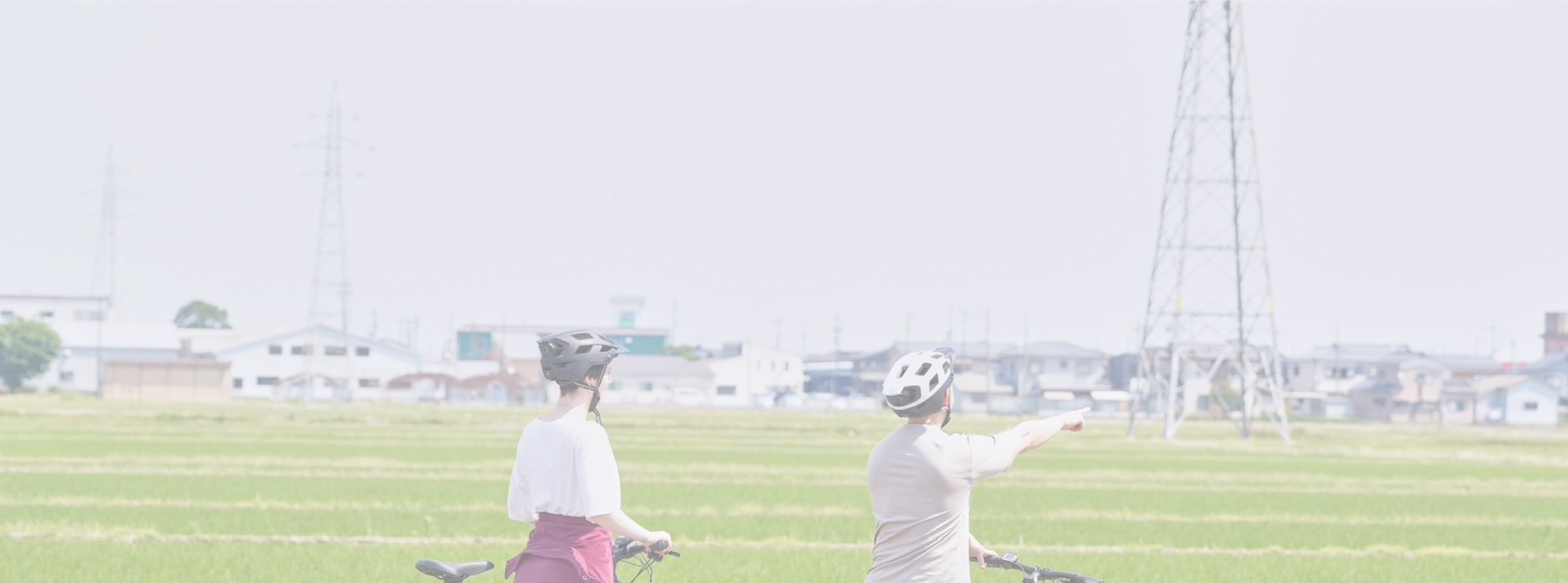
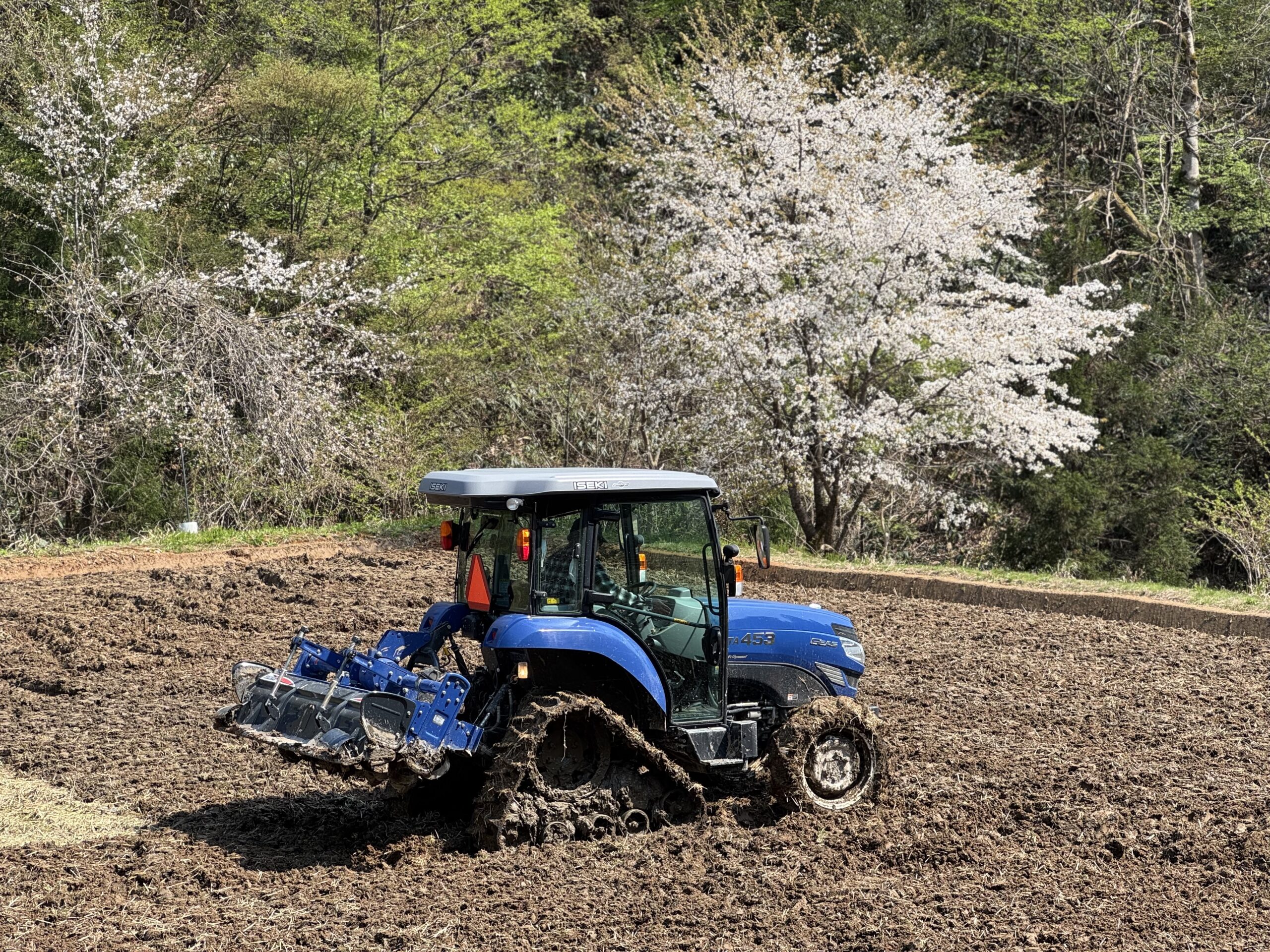
The cherry blossoms have fallen, fresh green leaves are beginning to appear, and the weather is finally getting warmer.
After the long winter in this snowy region, spring has truly arrived.
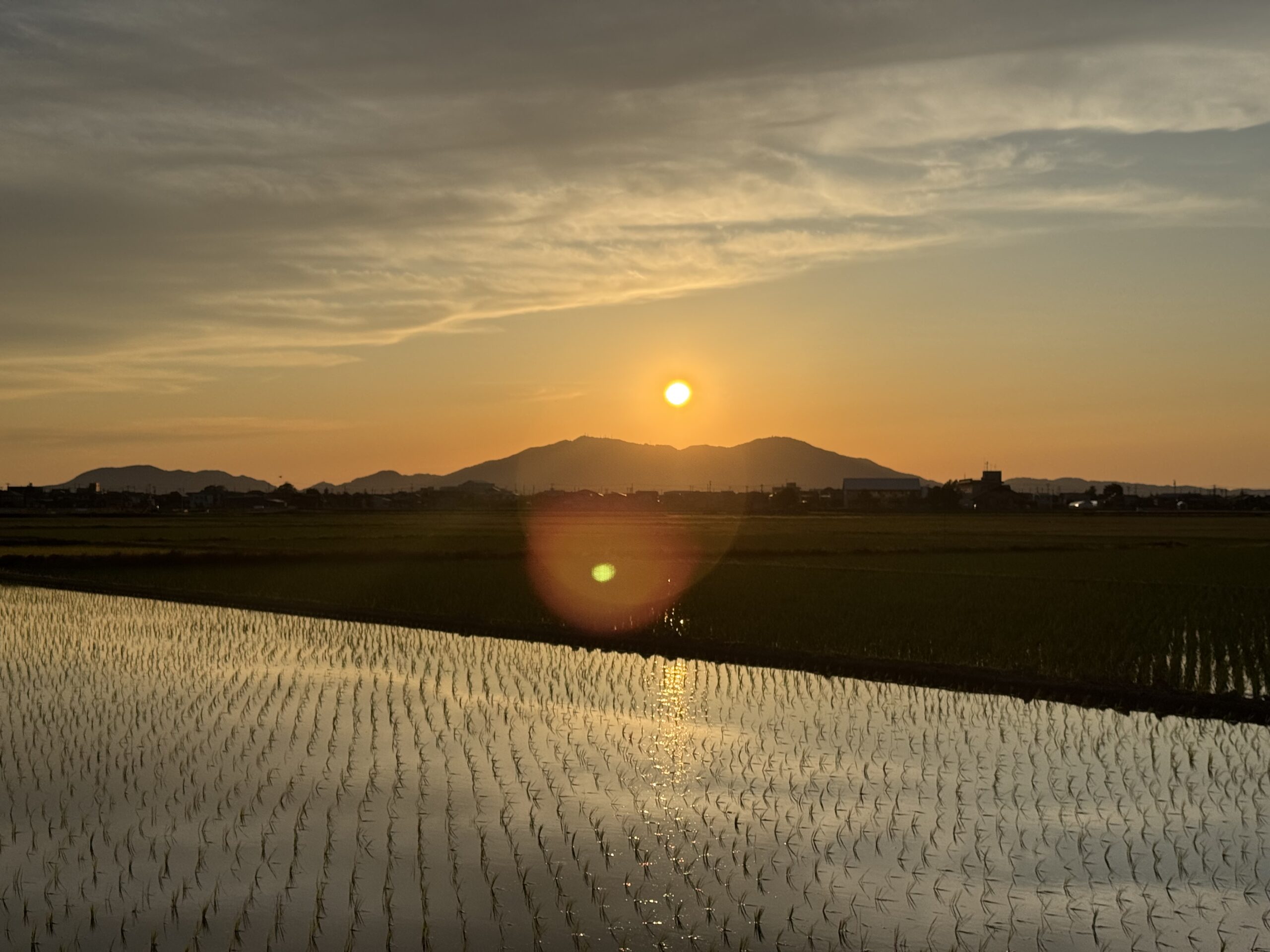
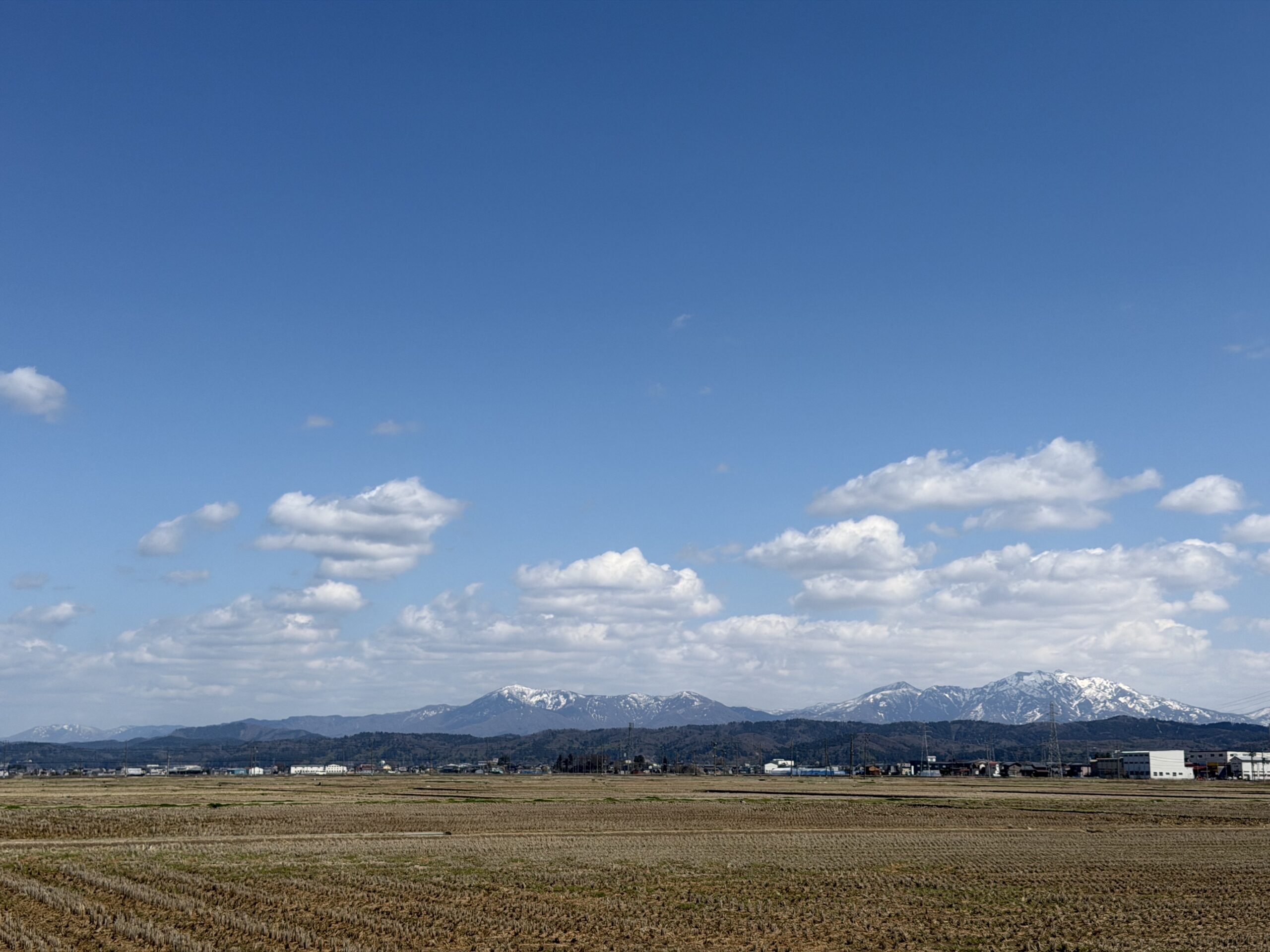
While many people enjoy the arrival of spring by traveling or relaxing with family, this season is actually one of the busiest times of the year in our town.
Even when the factories take a short break, many people here are still hard at work.
That’s because a lot of them are also farmers. During the weekdays, they work in manufacturing. On weekends and holidays, they head to the rice fields. In the Tsubame-Sanjo area of Niigata, this way of life still exists naturally.
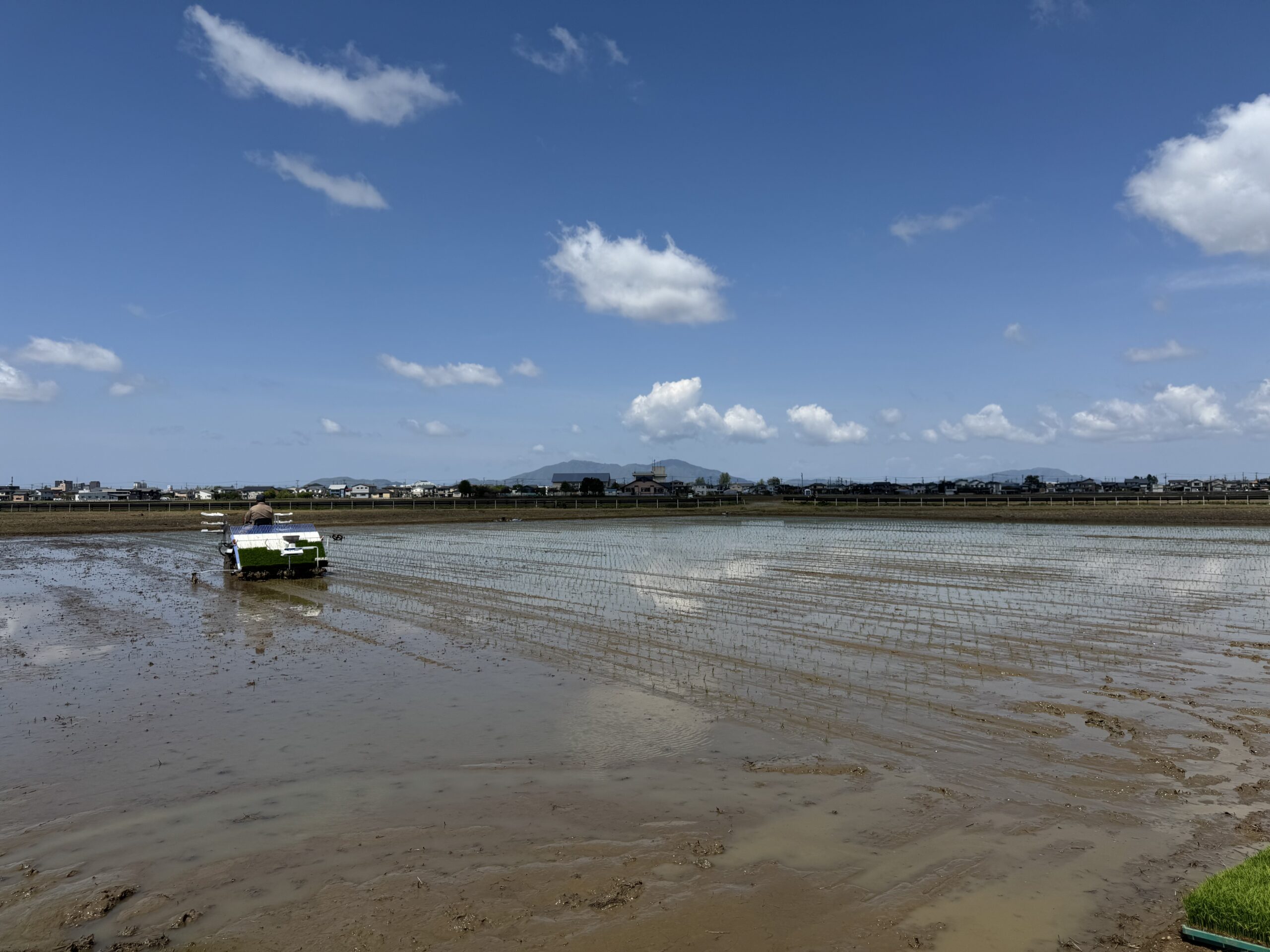
Spring is rice planting season. From preparing the fields and managing the water to carrying rice seedlings, the sound of tractors fills the air from early morning.
Small trucks drive back and forth across the countryside.
People who normally wear work uniforms in factories change into boots and work in the fields during their days off. It’s a scene that feels unique to this region. And it reminds me of something important.
This town supports both Japan’s industry and its food culture.
On one side, there is world-famous craftsmanship — knives, tools, and metalworking.
On the other side, there are the rice fields that help feed people across the country.
Manufacturing and rice farming may seem completely different, but they share the same spirit:
care, patience, and dedication. Working with nature. Working with tools.
Building something little by little every single day.
There is value in work done by human hands that cannot be measured by efficiency alone.
There is still snow left in the mountains, and the melting snow flows down into the rice fields.
The blessings of the four seasons become each grain of rice.
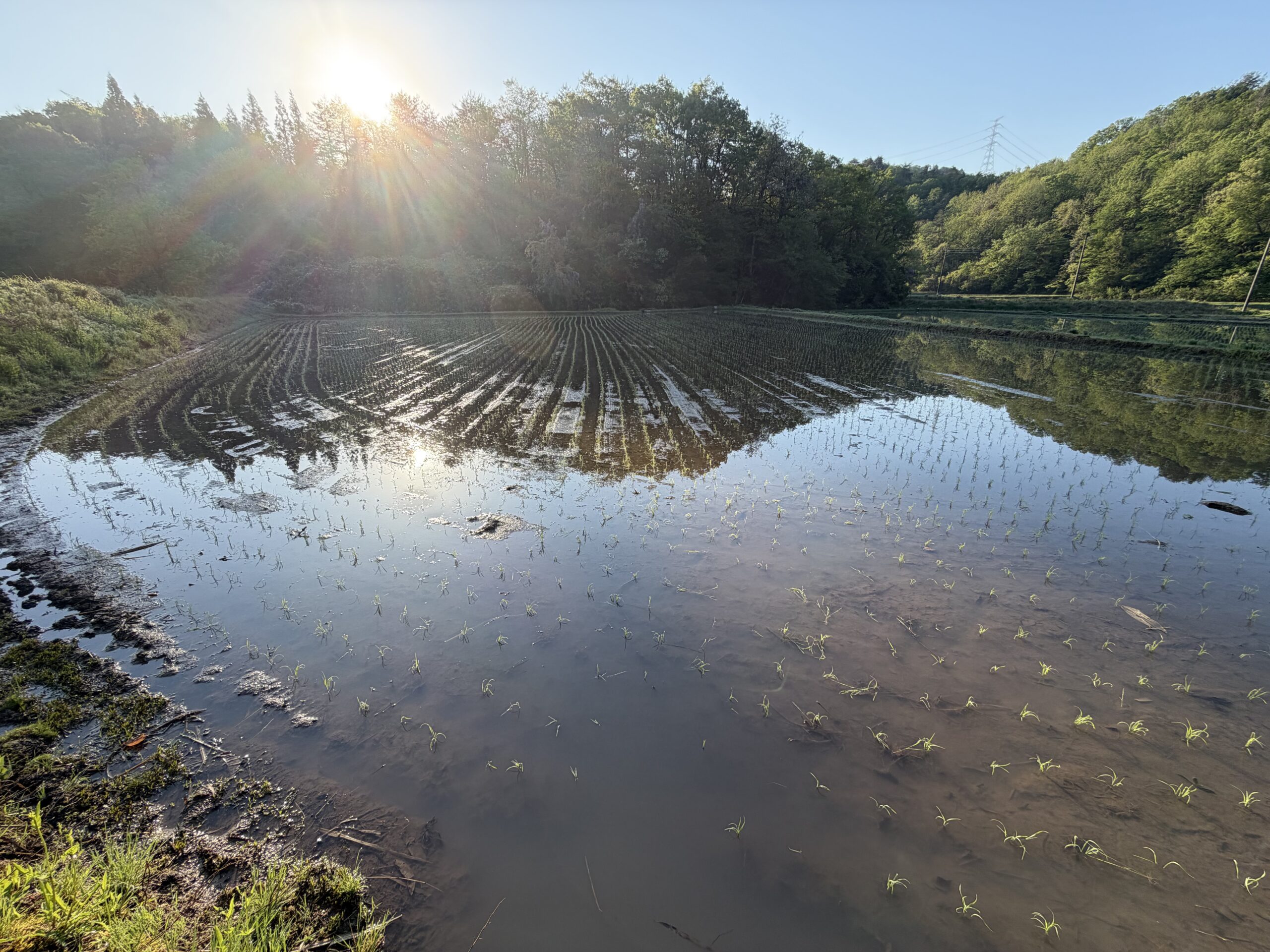
What may look like an ordinary rural landscape is actually a place where traditional craftsmanship and agriculture continue side by side.
I hope this year brings another great harvest.