





In Tsubame-Sanjo, there are not only craftsmen who create products, but also craftsmen who support those craftsmen. On this visit, we met a second-generation blacksmith who has carried on the family trade for two generations.
The first thing that surprises visitors is the appearance of the workshop. There is no company sign, and from the outside it looks just like an ordinary house. Unless you knew better, you would never imagine that this is where tools that support blacksmiths have been made for decades.
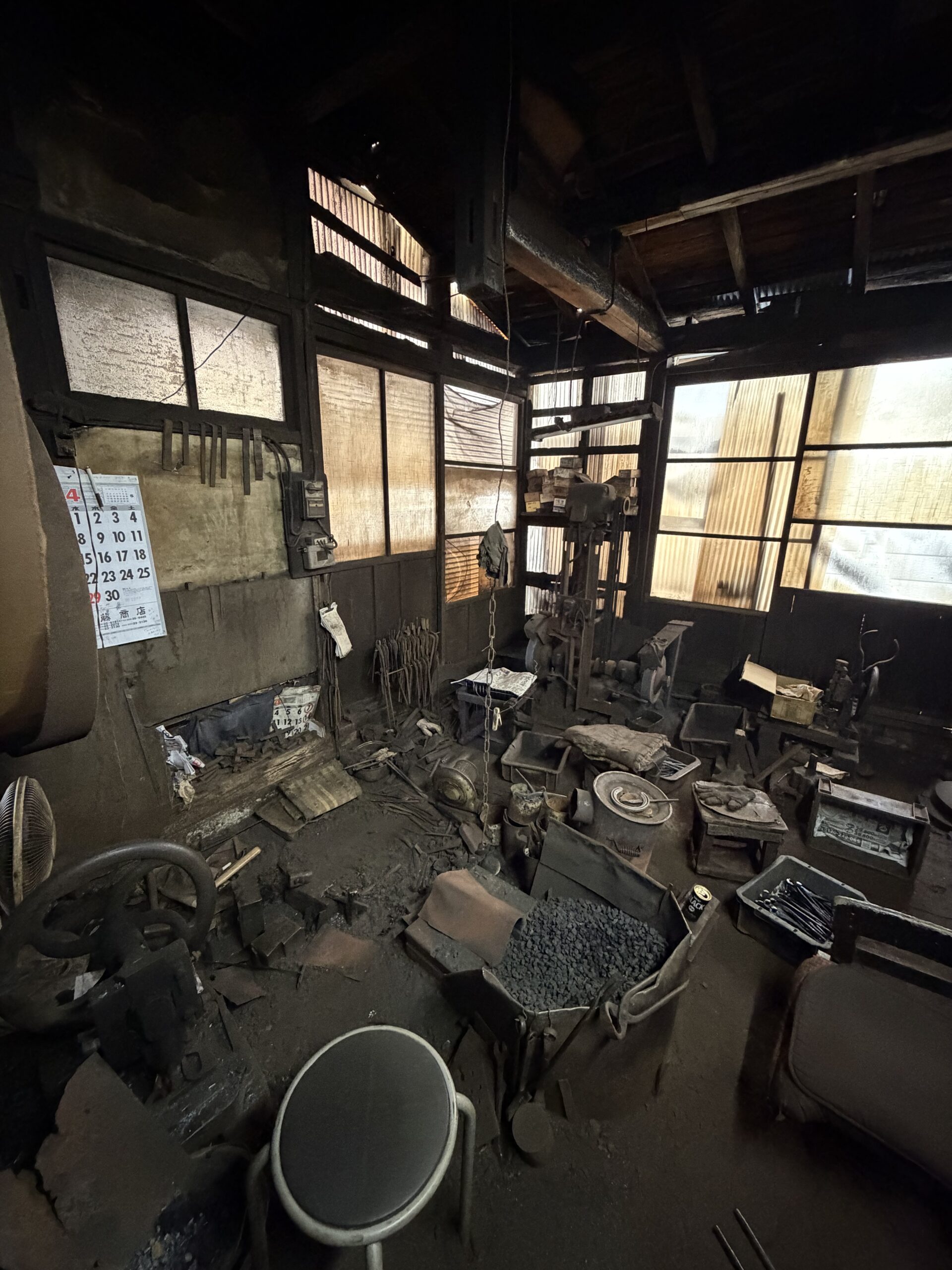
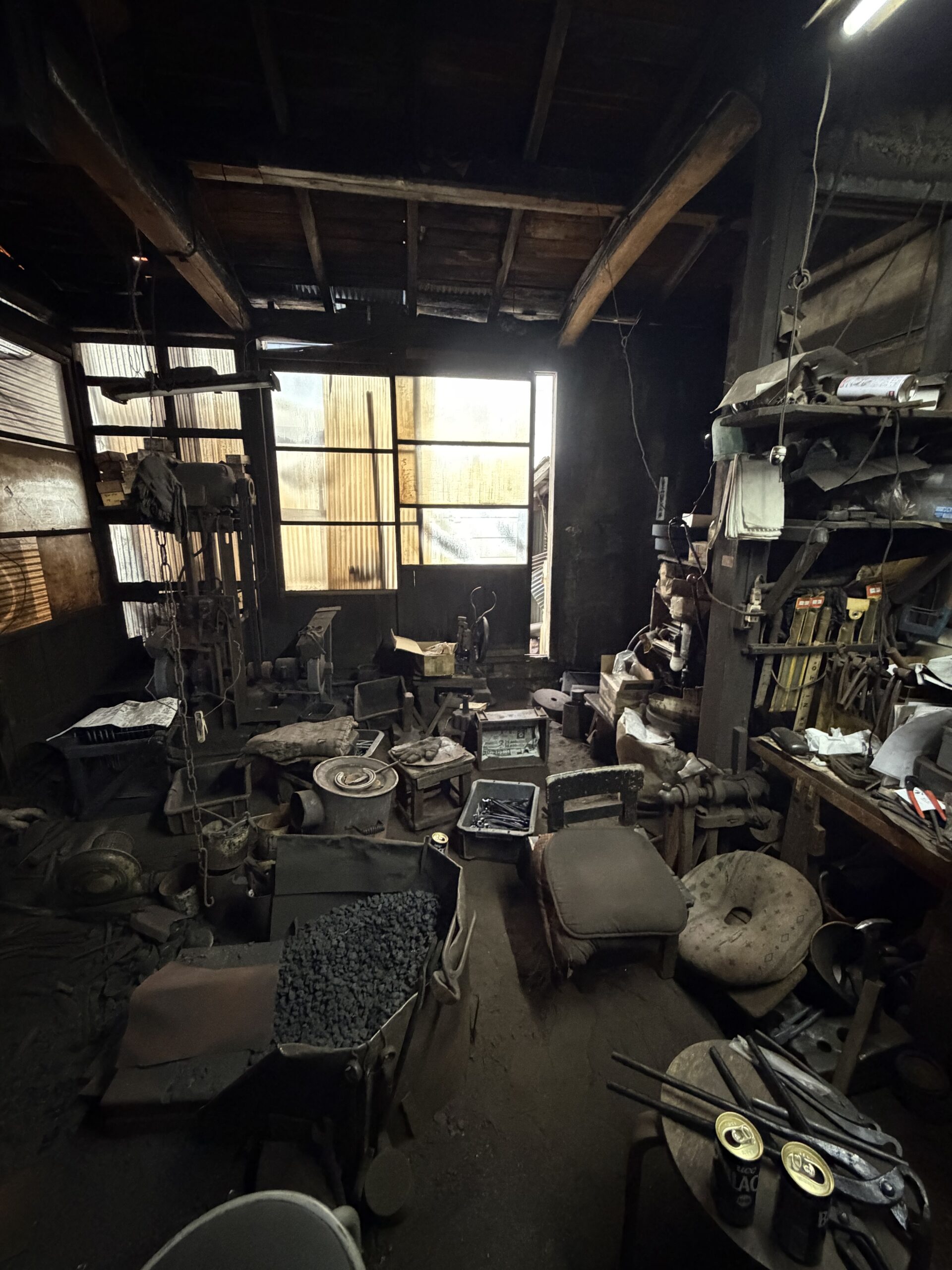
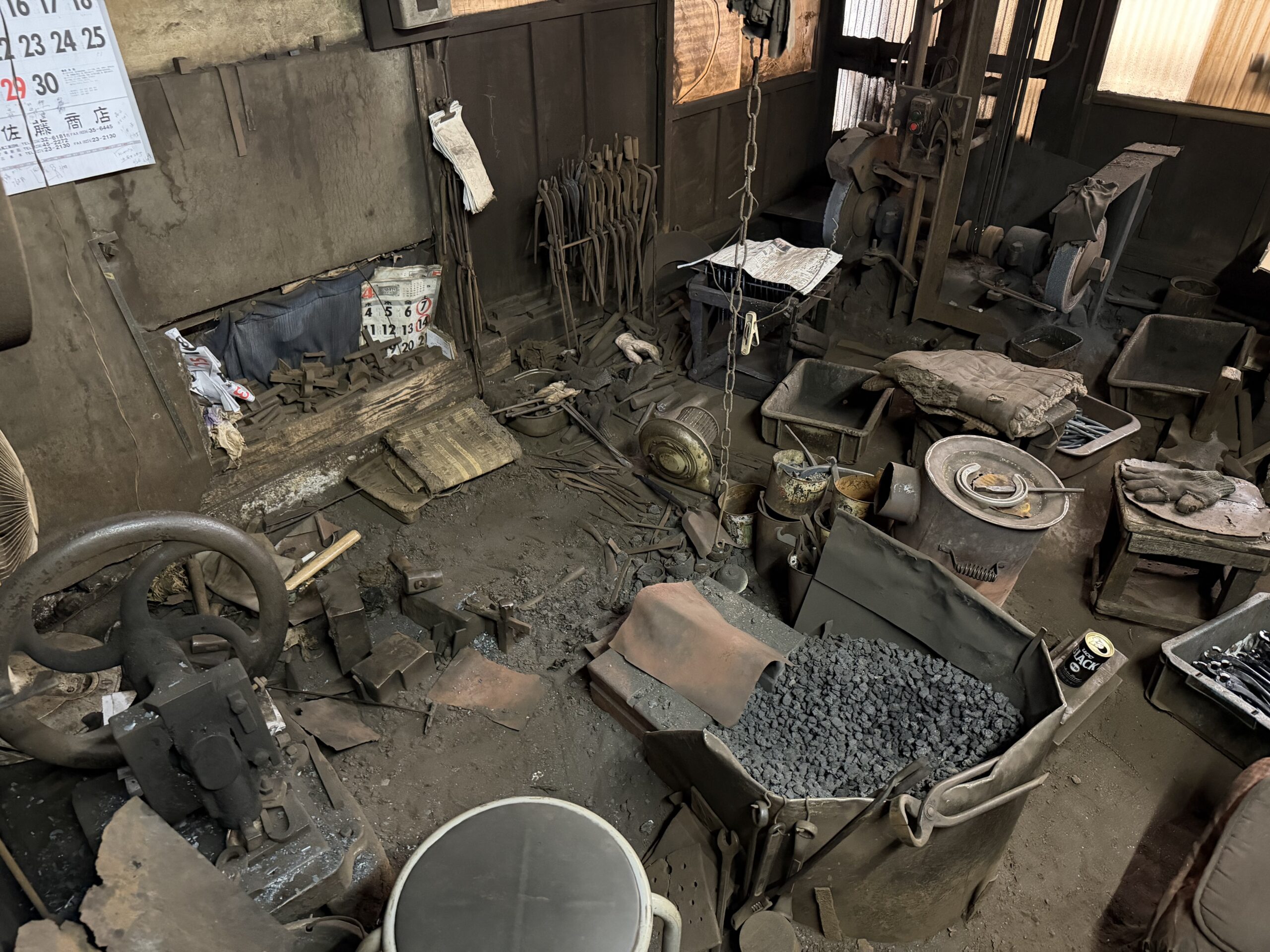
However, once you step inside, you enter the world of traditional blacksmithing. Well-worn tools, workbenches marked by years of labor, and the sound of hammer striking steel tell the story of a craft that has been passed down through generations. In a quiet residential neighborhood, traditional skills continue to thrive.
The workshop produces a specialized blacksmithing tool called Hashi. Unlike the chopsticks used for eating, these tools are designed to grip red-hot steel, allowing blacksmiths to remove it from the forge and manipulate it during the forging process.
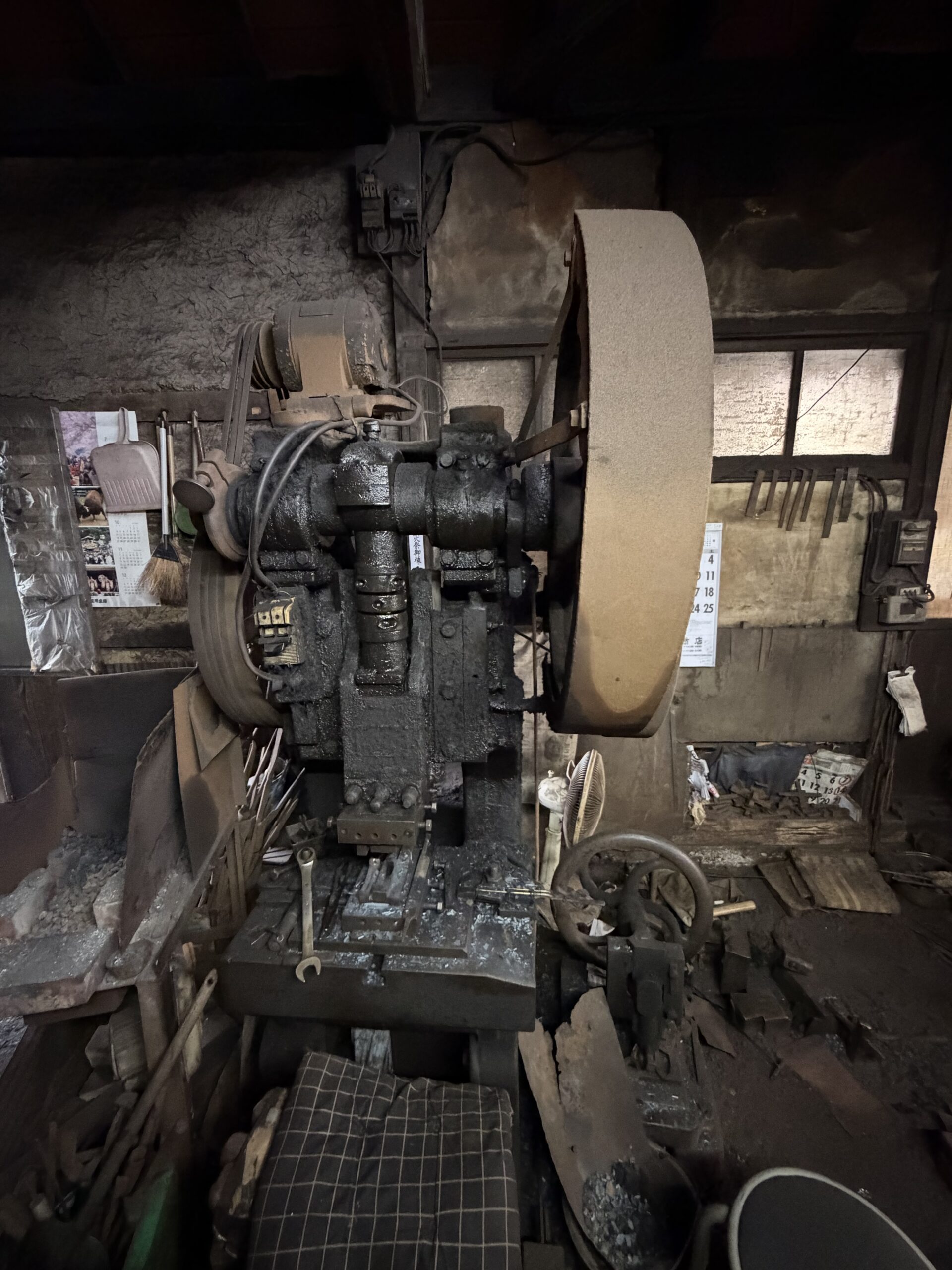
Hashi is one of the most important tools a blacksmith owns. It is indispensable for gripping and controlling hot steel, and without it, the work simply cannot be done. In many ways, it serves as an extension of the blacksmith’s own hands and is among the most essential tools of the trade.
Because every blacksmith works on different products and uses different techniques, the shape and design of each Hashi must be tailored to the user’s needs. Each piece is therefore custom-made to match the craftsman’s specific requirements. A well-made Hashi enables better work, which in turn leads to better products.
What this workshop creates is far more than just a tool. It supports the craftsmen whose work forms the foundation of manufacturing itself.
Today, artisans who specialize in making these blacksmithing tools are becoming increasingly rare. Independent blacksmiths who continue to work alone from small home workshops are especially uncommon. The skills and experience preserved in this humble workshop are not something that can be replicated through mass production.
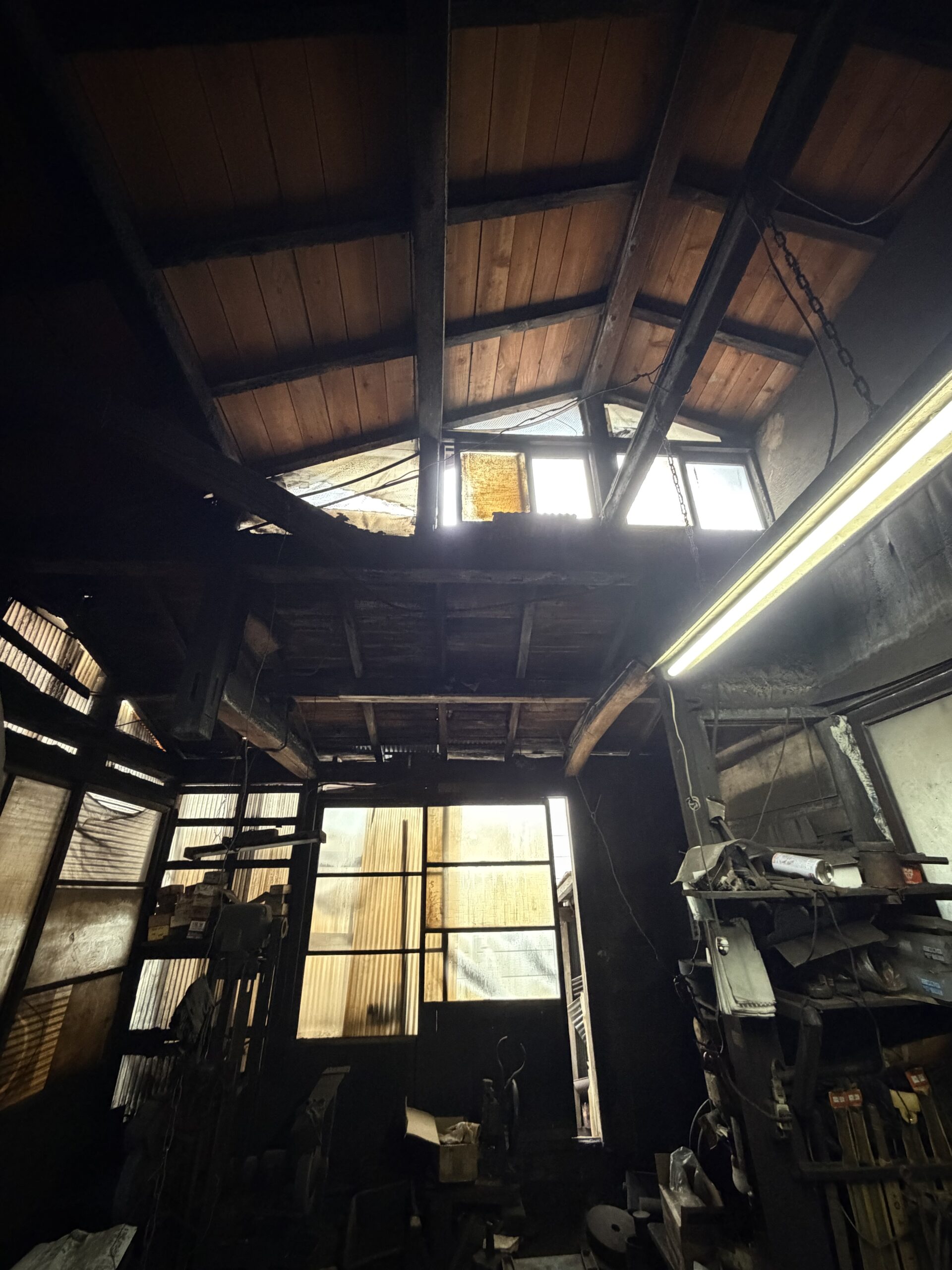
Behind every beautifully crafted product stands a skilled craftsman. And behind those craftsmen are other craftsmen who support them.
In this small workshop with no sign out front, a single pair of Hashi is forged by hand. And each one continues to support Japan’s tradition of craftsmanship, one piece at a time.