





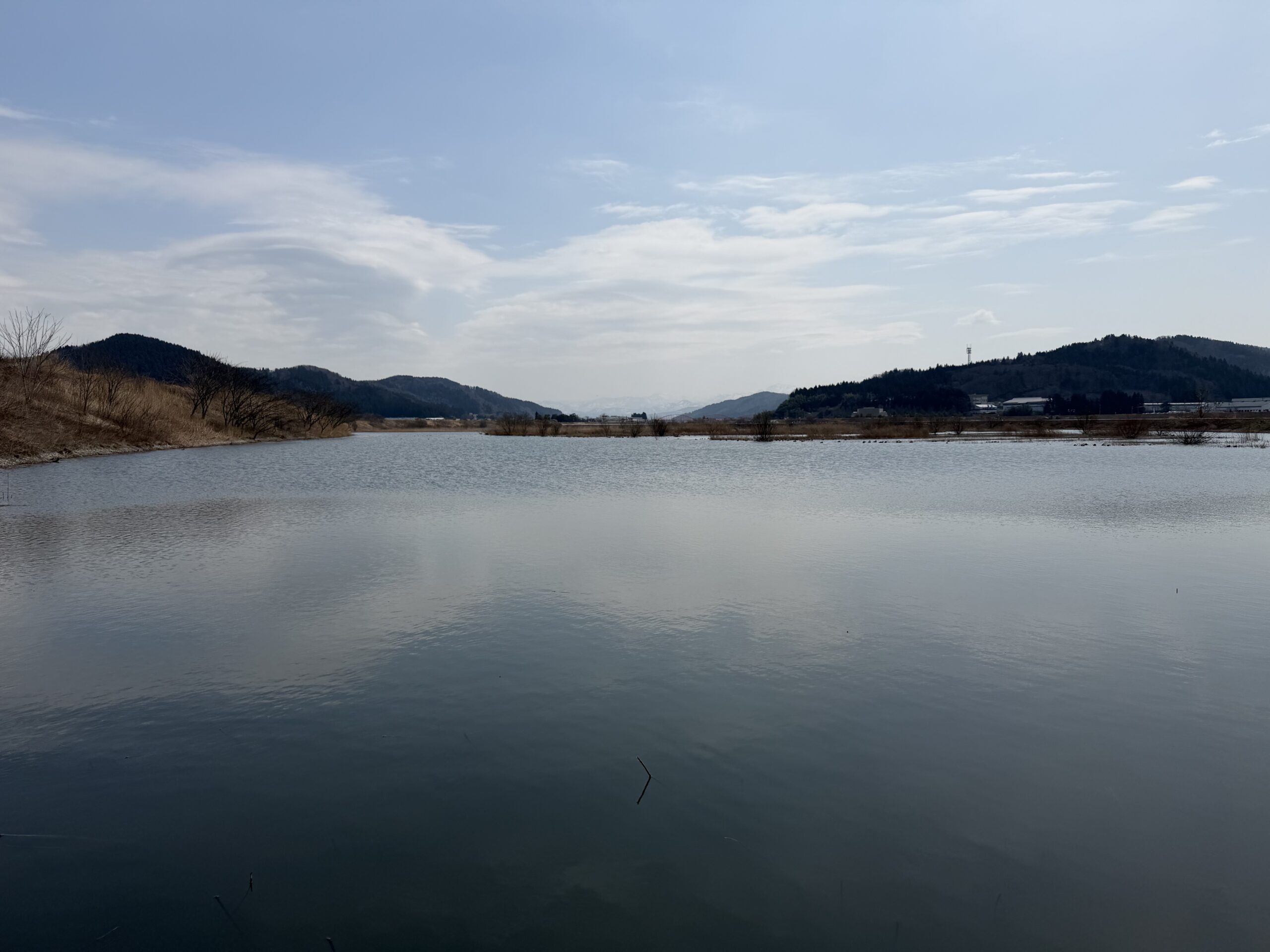
During the winter, the river lies quiet—until one day, its sound suddenly changes. Snow in the mountains begins to melt, turning into water that rushes downstream all at once. As the snow fades, I ride my bike along the river for the first time in a while, and in the strength of its current, I feel the arrival of spring.
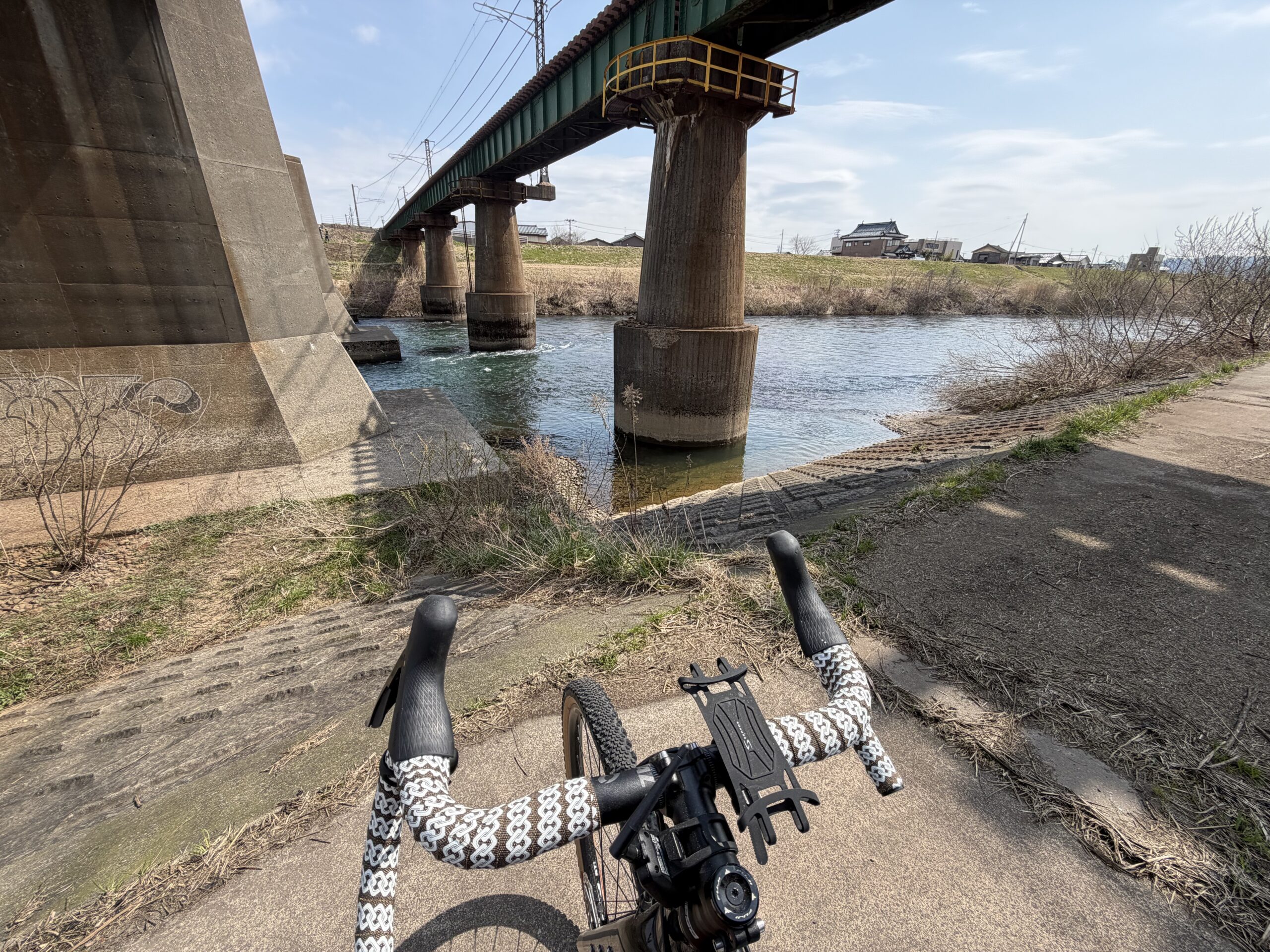
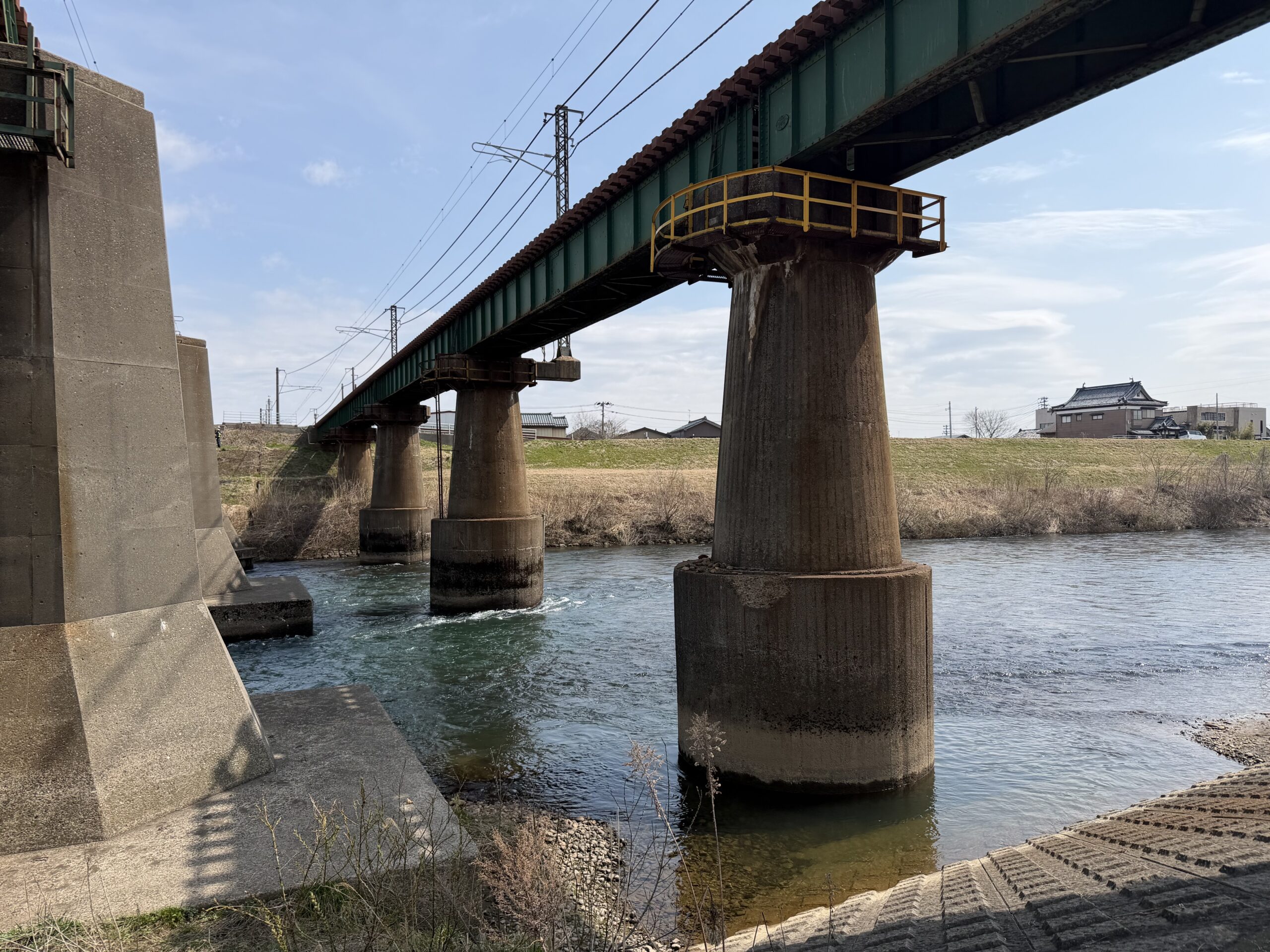
This river has never been a gentle presence alone. Ikarashi River and Shinano River have repeatedly flooded over the years—“wild rivers” that have taken people’s livelihoods with them. Fields were washed away, and everything people had built could be lost in an instant. And yet, the people did not leave this land. Instead, those hardships became the turning point that reshaped the way they lived. Rather than relying solely on agriculture, which is vulnerable to floods, people sought work less affected by nature. This is how metalworking began to flourish in the area. Hoes, knives, nails, and tools—by steadily producing the things needed for everyday life, they built a livelihood that would not be at the mercy of the elements.
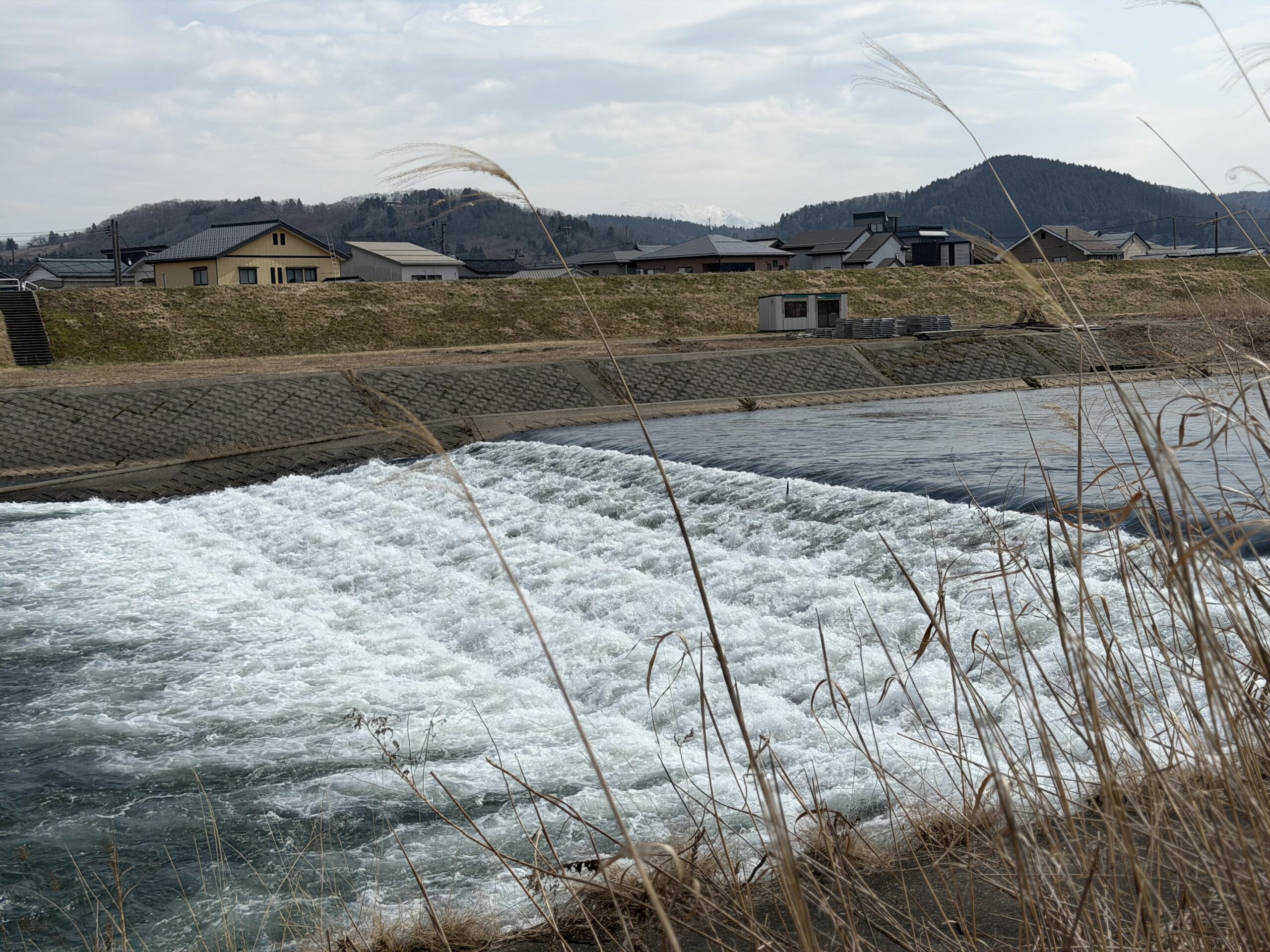
There was something else as well. People did not end with simply fearing the river. With its abundant water, the river was well suited for transportation by boat. Raw iron was brought in, and finished products were shipped out to other regions. The very current that once brought suffering became a pathway connecting the town to the outside world. Rather than trying to control nature, they understood it—and changed how they used it. That is how the town of Sanjo was shaped.
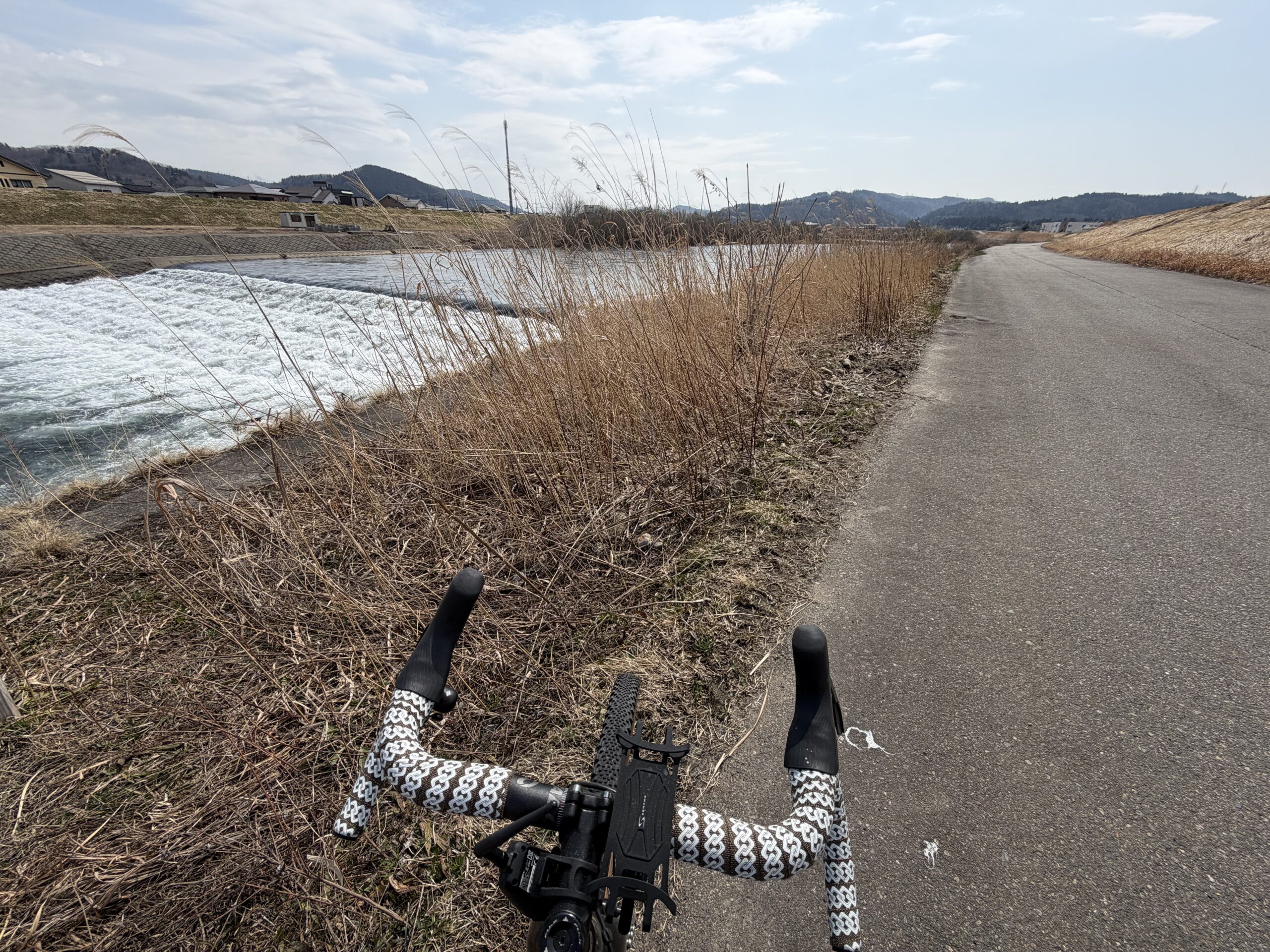
Now, the water flowing before me may simply be snowmelt of spring. But within that flow lies the choices and ingenuity of the people who have lived on this land. After a long, quiet winter, the river begins to move once again. And when I hear its sound, I know that spring in this town has already begun.